Why Is My Pet Gaining Weight? Causes and Solutions for Dogs and Cats in Washington
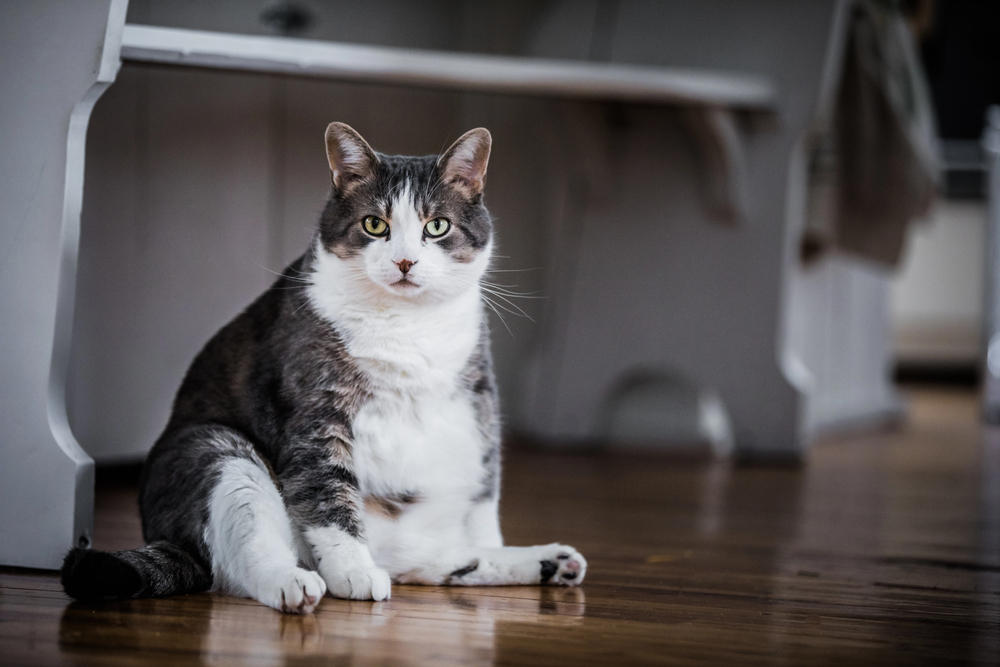
If your dog or cat seems a little heavier than usual, it’s a very common issue we see here in Vancouver. Weight gain is a concern for pet owners, and because it often happens gradually, it can be difficult to notice until your pet’s body shape or activity level begins to decrease.
For pet owners in Vancouver and Southwest Washington, seasonal changes can also affect activity. Long stretches of rainy weather may mean fewer walks, less outdoor play, and more time indoors. However, diet and exercise aren’t the only possible causes of weight gain.
At Salmon Creek Veterinary Clinic, our Vancouver veterinarians can evaluate your pet’s weight, diet, activity level, age, and overall health to determine what may be contributing to the change.
How Do I Know If My Pet Is Overweight?
A healthy weight is different for every pet. Breed, age, body structure, activity level, and medical history all matter.
Some common signs that your pet may be overweight include:
- Difficulty feeling the ribs
- Loss of a visible waist
- A rounded or sagging abdomen
- Becoming tired quickly during walks
- Difficulty jumping or climbing stairs
- Less interest in exercise or play
- Increased panting with activity
Instead of relying only on the scale, your veterinarian can evaluate your pet’s overall body condition during a pet wellness exam. Routine wellness visits can also help identify gradual changes before they become more serious health concerns.
1. Too Many Calories
One of the most common causes of pet weight gain is simply consuming more calories than the body uses.
Extra calories can come from oversized portions, table scraps, frequent treats, free-feeding, or multiple family members feeding the same pet.
Even small extras can add up, particularly for cats and small dogs.
The feeding recommendations on a bag of pet food are general guidelines. Your pet’s actual nutritional requirements depend on factors such as age, breed, size, activity level, and health.
Salmon Creek Veterinary Clinic offers diet and nutrition guidance to help determine an appropriate diet based on your individual pet’s needs.
2. Not Enough Exercise
Activity level plays a major role in maintaining a healthy weight.
Here in Washington, rainy or cold weather can sometimes make regular outdoor exercise more difficult. A dog that normally gets several walks may spend more time indoors, while indoor cats can become increasingly sedentary without regular enrichment.
Dogs can benefit from shorter walks throughout the day, indoor games, training exercises, and interactive toys. Cats may enjoy climbing structures, puzzle feeders, wand toys, and short play sessions.
Before significantly increasing exercise for an overweight, senior, or medically compromised pet, talk with your veterinarian about an appropriate activity level.
3. Your Pet Is Getting Older
Pets’ nutritional and activity needs change as they age.
A dog or cat may continue eating the same amount of food while gradually becoming less active, making weight gain easier. Older pets can also experience muscle loss, joint discomfort, and other changes that reduce their desire to exercise.
Salmon Creek Veterinary Clinic’s senior pet wellness care includes wellness exams, diagnostic screening, mobility assessments, and nutritional and lifestyle recommendations for aging pets.
If your senior pet suddenly gains weight, however, don’t automatically assume age is the cause.
4. An Underlying Medical Condition
Unexpected weight gain can sometimes indicate an underlying medical issue.
This is especially important when weight gain occurs alongside other changes such as:
- Increased thirst or urination
- Changes in appetite
- Low energy
- Skin or coat changes
- Difficulty exercising
- Behavioral changes
Your veterinarian may recommend bloodwork, urine testing, or other diagnostic testing depending on your pet’s symptoms.
Salmon Creek Veterinary Clinic provides laboratory services that can help veterinarians evaluate kidney, liver, pancreatic, endocrine, and other health concerns when appropriate.
5. Treats and Table Food Add Up
Treats are another frequently overlooked source of calories.
A piece of cheese, a bite of dinner, and several training treats may seem insignificant to us, but those calories can represent a much larger percentage of a small pet’s daily needs.
Treats don’t necessarily have to disappear. Instead, consider smaller portions and account for treats when determining your pet’s total daily food intake.
How Can I Help My Pet Lose Weight Safely?
Healthy weight loss should be gradual. Dramatically reducing food without veterinary guidance is not recommended, particularly for cats.
A veterinarian may recommend measuring meals more accurately, reducing treats, changing foods, increasing appropriate physical activity, or using a prescription diet when necessary.
Salmon Creek Veterinary Clinic provides weight management and nutrition counseling and performs body condition evaluations during physical examinations to help determine whether weight loss is needed.
When Should I See a Veterinarian About My Pet’s Weight?
Schedule an appointment if your dog or cat has gained a noticeable amount of weight, particularly when the change is sudden or unexplained.
Regular checkups are also important even when your pet appears healthy. Salmon Creek Veterinary Clinic recommends annual wellness exams for most adult pets and more frequent visits for senior pets.
If you’re concerned about your pet’s weight, schedule a visit with Salmon Creek Veterinary Clinic. Our Vancouver, WA veterinary team can evaluate your pet’s body condition, nutrition, activity level, and overall health and help develop a realistic plan for keeping your dog or cat at a healthier weight.