
Healthy Senior Pets

Helping Senior Pets Live Happier and Healthier Lives

Caring for the Pets Who Have Spent a Lifetime Loving You

Senior Pet Care

Your senior pet has been there through it all—the morning routines, the hard days, the quiet evenings. As they grow older, their needs change, and so does the kind of care they deserve. Our senior wellness program is built around one simple belief: the best years of your pet’s life should be comfortable, active, and fulfilling.

pet adoption

What Makes a Pet "Senior"?

Most dogs are considered seniors at age 7, though large breeds may reach that milestone earlier. Cats generally enter their senior years around age 10–11. Age is just a number, and what matters is staying ahead of the changes that come with an aging pet.

Let's Schedule A Check-up

Diet and Nutritional Changes

Special Senior Diets

Senior pets have different nutritional requirements than younger animals. Metabolism slows, muscle mass often decreases, and organs such as the kidneys and liver may need additional dietary support.

We'll evaluate your pet's current diet and recommend adjustments based on their individual health needs. Proper nutrition at the right life stage can have a significant impact on your pet's overall health and well-being.

Vaccinations

Protecting Your Pet

Vaccination needs can change as pets age. While some vaccines remain important throughout life, others may be adjusted based on your pet's health, lifestyle, and risk factors.

Rather than using a one-size-fits-all approach, we review your pet's vaccination history and current health at every visit to ensure they remain properly protected without unnecessary stress on their immune system.

Mental Stimulation

Staying Alert & Active

A healthy mind is just as important as a healthy body. Cognitive decline, often referred to as Canine or Feline Cognitive Dysfunction, is a common condition in aging pets.

Signs may include disorientation, changes in sleep patterns, reduced interaction, or appearing confused in familiar environments.

Mental enrichment activities such as puzzle feeders, scent games, training sessions, and consistent daily routines can help maintain cognitive function and improve quality of life. We'll help you recognize early signs of cognitive changes and recommend enrichment strategies tailored to your pet.

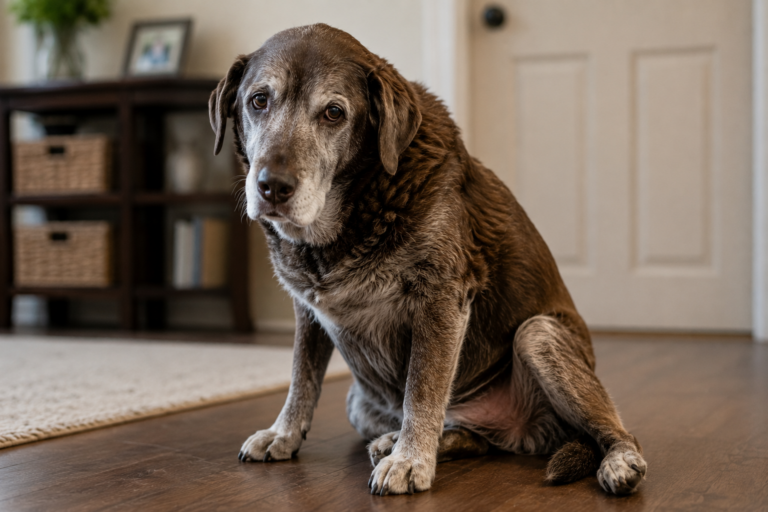
old dog sitting

Pain and Chronic Condition Management

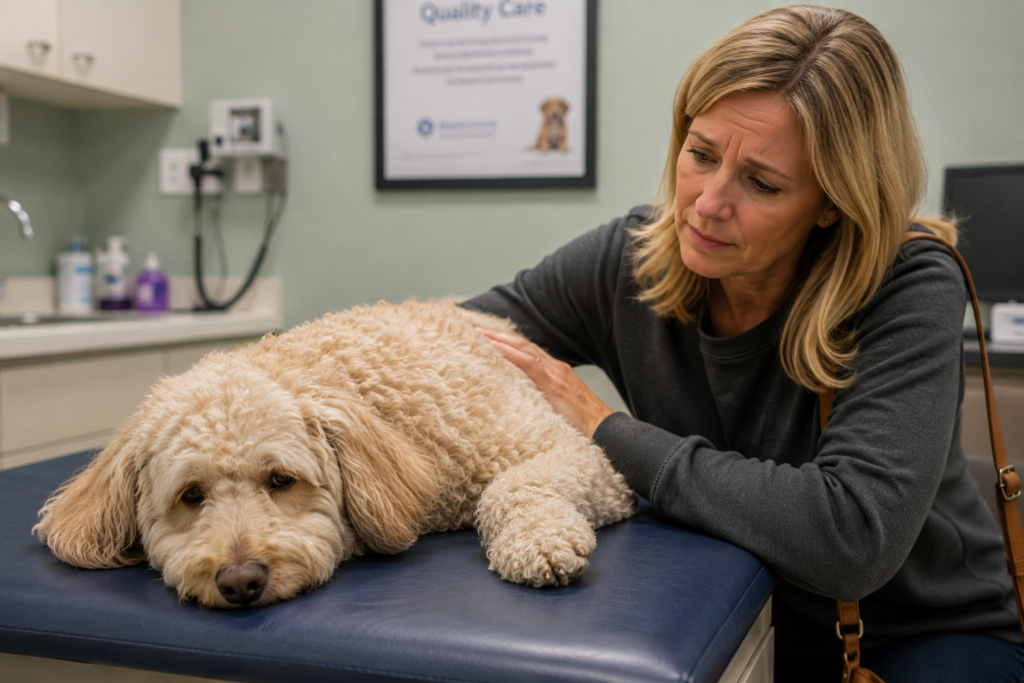
Slowing down, stiffness, and increased sleep are often seen as normal signs of aging, but conditions like arthritis, kidney disease, thyroid disorders, and diabetes can often be successfully managed. We take a proactive approach through regular monitoring, early detection, and personalized treatment plans to help maintain your pet's comfort and quality of life. Because pets often hide pain, our team is trained to recognize subtle signs and provide effective care when it's needed.
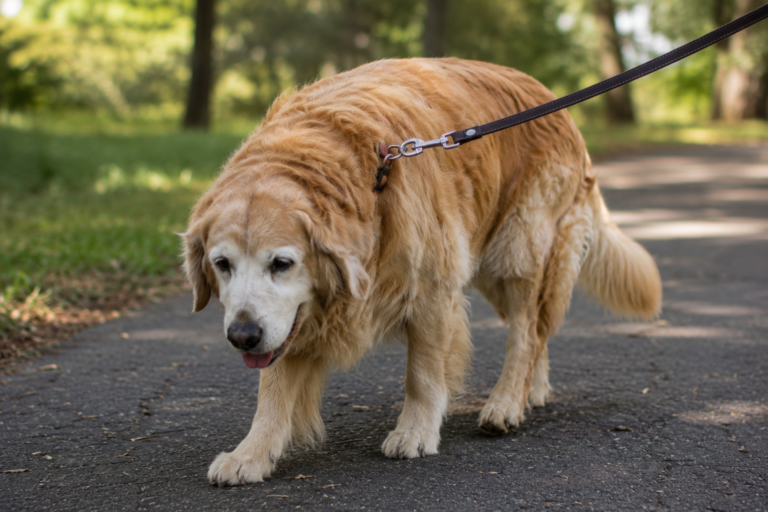
old dog having a hard time walking

Weight Control and Exercise

Excess weight is one of the most common—and most preventable—health concerns for senior pets. Carrying extra pounds puts added strain on aging joints, the heart, and lungs, while increasing the risk of diabetes and other health conditions.

We'll help you develop an exercise plan that keeps your pet active without overexertion. Short walks, gentle play, and swimming for dogs are all excellent ways to maintain mobility and muscle strength.
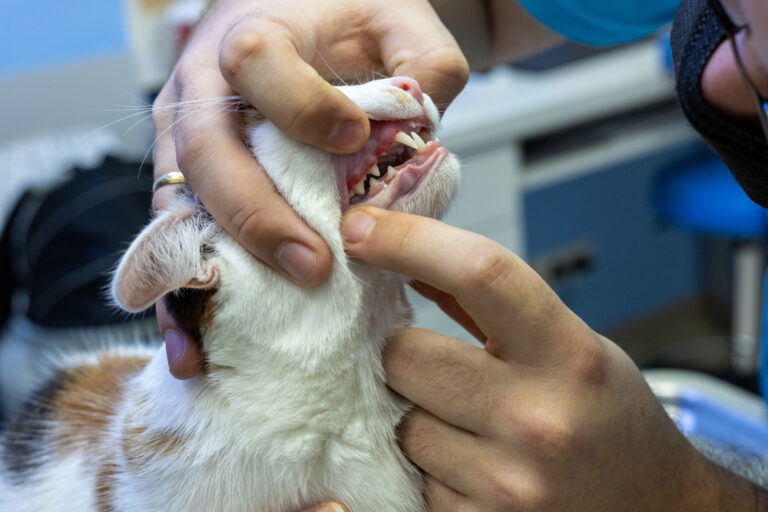
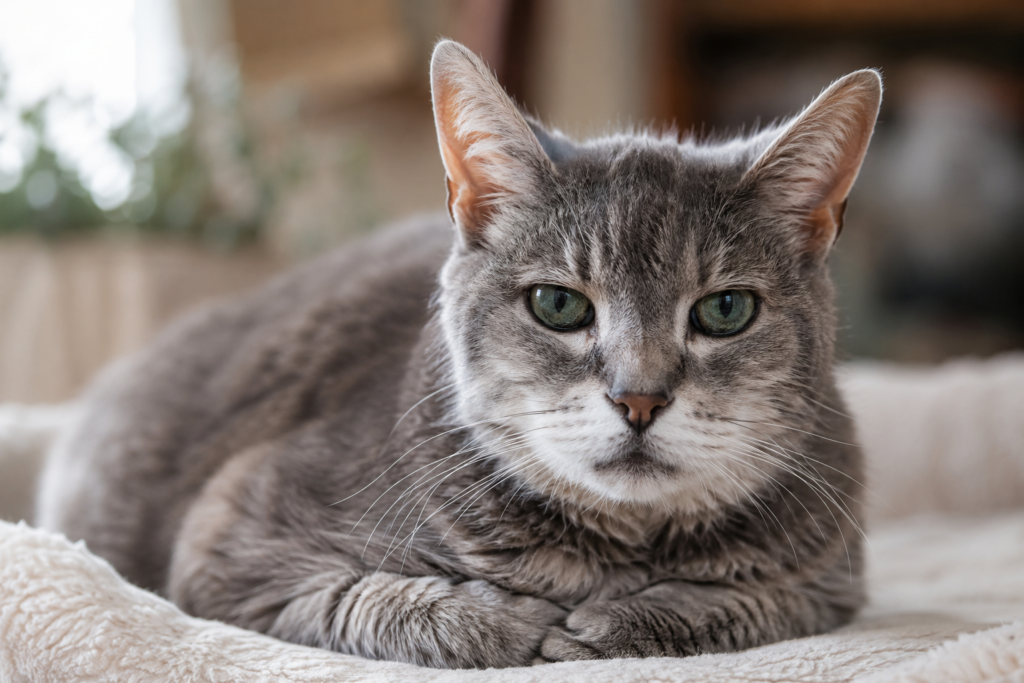
dental health of a senior cat

Dental Health

Dental disease affects most dogs and cats by age three, and many senior pets live with painful dental conditions that often go unnoticed. Untreated dental disease can allow bacteria to enter the bloodstream and affect the heart, kidneys, and liver. Regular dental cleanings and home care are essential components of senior pet wellness. We'll evaluate your pet's oral health at every visit and recommend professional cleanings when necessary. We'll also help you find realistic at-home dental care solutions that fit your routine.

Bi-Annual Wellness Exams

Once a year isn’t enough when time moves faster for our pets. We recommend wellness exams every six months for senior dogs and cats. A lot can change during that time, including weight, organ function, mobility, and dental health. Catching those changes early gives us the opportunity for the best treatment options.

At each visit, we’ll perform a comprehensive nose-to-tail physical exam, bloodwork, and urinalysis to screen for internal changes, and a quality-of-life assessment. These visits aren’t just about reacting to problems—they’re one of the best ways to prevent future issues.

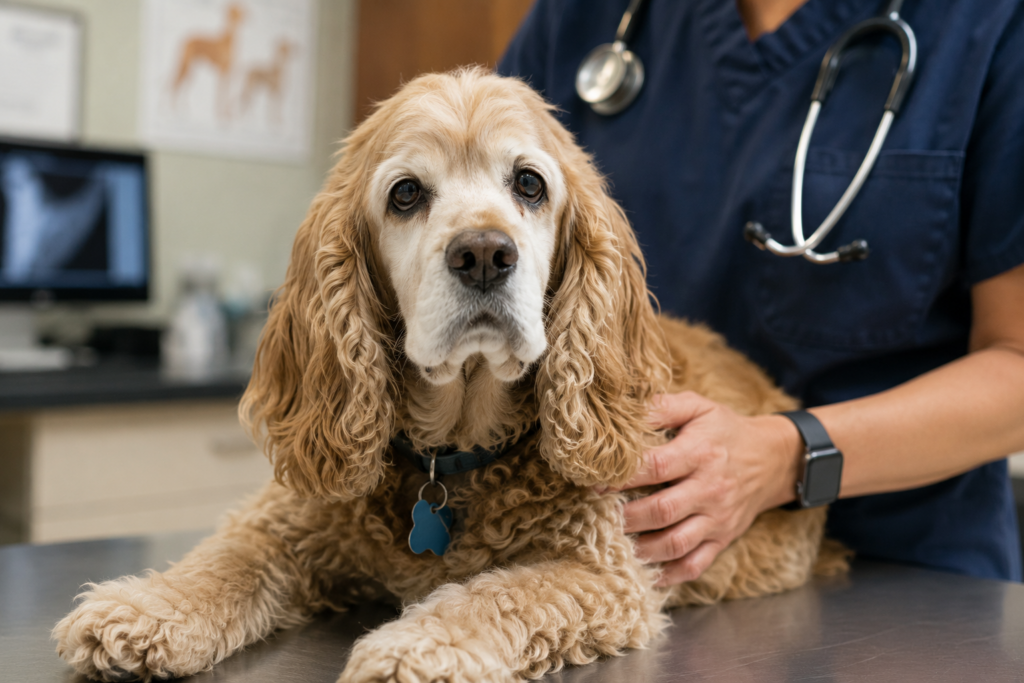
older dog check up
1

Noticing Changes in Your Pet

You spend every day with your pet and notice the little changes—how they move, eat, rest, and interact. That knowledge is invaluable.


Our role is to partner with you, helping interpret what you’re seeing and providing guidance so your pet can enjoy the highest possible quality of life. We are happy to answer any questions or concerns about your aging pet and help identify if there is a need for treatment or an explination.

Schedule Your Senior Wellness Visit

If your pet is entering their senior years, or if it has been more than six months since their last wellness exam, now is the perfect time to schedule a visit.

Together, we can help your pet enjoy a healthier, more comfortable, and more fulfilling life in their golden years.

Quality of Life and Knowing When It's Time

One of the most difficult parts of loving a pet is knowing that their time with us is limited. When health begins to decline in ways that can no longer be reversed, it’s important to focus on your pet’s comfort and daily quality of life.

We use structured quality-of-life assessments that evaluate factors such as pain, appetite, mobility, hygiene, happiness, and the balance between good days and difficult days. These assessments provide valuable guidance and help families make informed decisions.

When the time comes, we are here to support you through every step of the process. We offer compassionate, peaceful end-of-life care in a calm and private setting and will discuss all available options so you can make the decision that feels right for your pet and family.

There is no right or wrong way to grieve. Our goal is to ensure your pet’s final experience is gentle, dignified, and free from suffering.

If you’re already asking whether it’s time, it’s okay to talk with us. You don’t have to wait for a crisis to begin that conversation.