
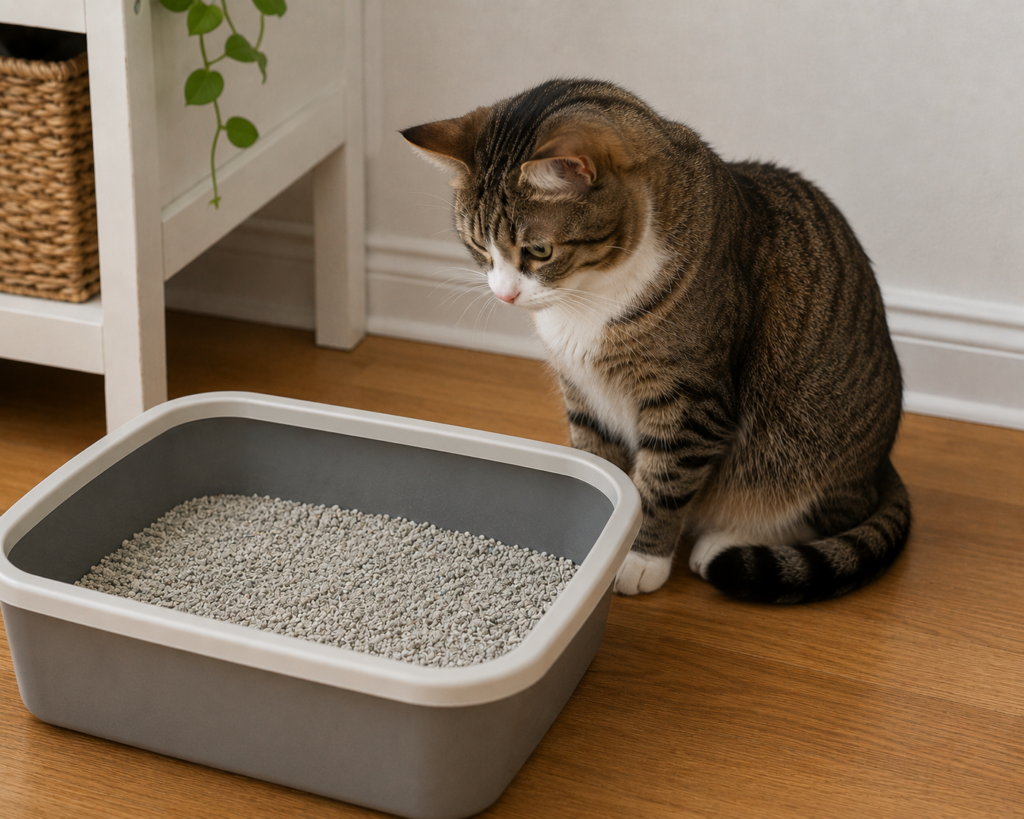
If your cat suddenly stops using the litter box, it can be frustrating, but more importantly, concerning. While many pet owners assume it’s a protest against the litter box, inappropriate urination or defecation is often your cat’s way of telling you that something isn’t right. From urinary tract infections and arthritis to stress or changes in the home, there are many reasons a cat may avoid the litter box. The good news is that identifying the underlying cause early can help your cat feel better and prevent the problem from becoming a long-term habit.
At Salmon Creek Veterinary Clinic, we help cat owners throughout Vancouver, WA determine why their cats have stopped using the litter box and develop a treatment plan that addresses the root cause, not just the symptoms.
Medical Reasons Your Cat May Avoid the Litter Box
One of the first things your veterinarian will want to rule out is a medical condition. Many types of issues can make using the litter box painful or difficult.
Common medical causes include:
- Urinary tract infections (UTIs)
- Feline lower urinary tract disease (FLUTD)
- Bladder stones
- Kidney disease
- Diabetes
- Constipation
- Arthritis that makes climbing into the litter box painful
- Cognitive decline in senior cats
If your cat cries while urinating, has a hard time going pee, urinates frequently, has blood in the urine, or cannot urinate at all, seek veterinary care immediately. A urinary blockage, especially in male cats, is a life-threatening emergency that requires immediate treatment.
Stress Can Cause Litter Box Problems
Cats thrive on routine. Even small changes around the house can trigger anxiety that causes them to avoid their litter box.
Common stressors include:
- Moving to a new home
- Bringing home a new pet
- A new baby or family member
- Remodeling or construction
- Visitors staying in your home
- Changes in work schedules
- Conflict between multiple cats
Some cats may begin urinating on beds, rugs, or furniture because those areas feel safer or smell more familiar than the litter box.
Problems With the Litter Box Itself
Sometimes the issue isn’t your cat—it’s the litter box.
Ask yourself:
- Is the litter box cleaned daily?
- Has the litter brand or scent changed?
- Is the box too small?
- Is it difficult for an older cat to enter?
- Is the box located somewhere noisy or busy?
- Do multiple cats have enough litter boxes?
A general rule is to have one litter box per cat, plus one extra. Keeping boxes in quiet, easily accessible locations can make a significant difference.
Senior Cats May Need Extra Help
As cats age, everyday movements become more difficult. Arthritis, vision loss, muscle weakness, and cognitive dysfunction can all contribute to litter box accidents.
Senior cats often benefit from:
- Low-entry litter boxes
- More litter box locations throughout the home
- Softer litter
- Pain management
- Routine veterinary examinations
Regular wellness visits help detect age-related conditions before they become more serious. Salmon Creek Veterinary Clinic offers comprehensive Pet Wellness Services to help cats stay healthy through every stage of life.
Diet and Chronic Health Conditions
Certain medical conditions can increase thirst and urination, making litter box accidents more common.
Examples include:
- Diabetes
- Kidney disease
- Hyperthyroidism
- Obesity
- Bladder inflammation
Proper nutrition can play an important role in managing many chronic diseases. Prescription diets, weight management programs, allergy treatment, and nutritional counseling may all improve your cat’s overall health and reduce litter box issues. We help with Health Maintenance Services to ensure your pet is getting the best care as they get older.
When Should You Call Your Veterinarian?
Schedule an appointment if your cat:
- Suddenly stops using the litter box
- Has accidents repeatedly
- Strains while urinating
- Has blood in the urine
- Cries during urination
- Is drinking significantly more water
- Stops eating
- Seems painful or lethargic
The sooner the cause is identified, the easier it is to treat.
How Your Veterinarian Finds the Cause
Your veterinarian may recommend:
- A complete physical examination
- Urinalysis
- Blood work
- X-rays or ultrasound
- Weight assessment
- Diet review
- Behavioral evaluation
These tests help determine whether the problem is medical, behavioral, or environmental so an appropriate treatment plan can be created. Comprehensive wellness exams are one of the best ways to detect underlying illnesses early and support lifelong health.
Helping Your Cat Feel Comfortable Again
Litter box problems are one of the most common reasons cat owners visit the veterinarian—and they’re usually treatable once the underlying cause is found.
Whether your cat is experiencing a urinary condition, arthritis, stress, or another health concern, early intervention can prevent complications and improve your cat’s quality of life.
If your cat has suddenly stopped using the litter box, don’t assume it’s simply bad behavior. Schedule an appointment with Salmon Creek Veterinary Clinic. Our experienced team will perform a thorough examination, identify the cause, and recommend the best treatment to help your cat get back to feeling healthy and comfortable.
Frequently Asked Questions
Why did my cat suddenly stop using the litter box?
Medical conditions such as urinary tract infections, bladder stones, arthritis, kidney disease, diabetes, stress, or changes to the litter box environment are some of the most common causes.
Can stress really cause litter box problems?
Yes. Cats are very sensitive to changes in their environment. New pets, moving, visitors, construction, or household changes can all contribute to inappropriate elimination.
Should I punish my cat for having accidents?
No. Punishment often increases anxiety and can make the problem worse. Instead, have your cat examined by a veterinarian to determine the underlying cause.
Is it an emergency if my cat can’t urinate?
Yes. A cat that is straining to urinate or unable to pass urine requires immediate veterinary attention, especially male cats, because urinary blockages can quickly become life-threatening.
How can I prevent litter box problems?
Keep litter boxes clean, provide enough boxes for all cats in the home, schedule regular wellness exams, feed a balanced diet, reduce stress, and seek veterinary care promptly if your cat’s habits suddenly change.
Still have questions? Give us a call at (360) 574-0833