Dental Cleaning for Dogs
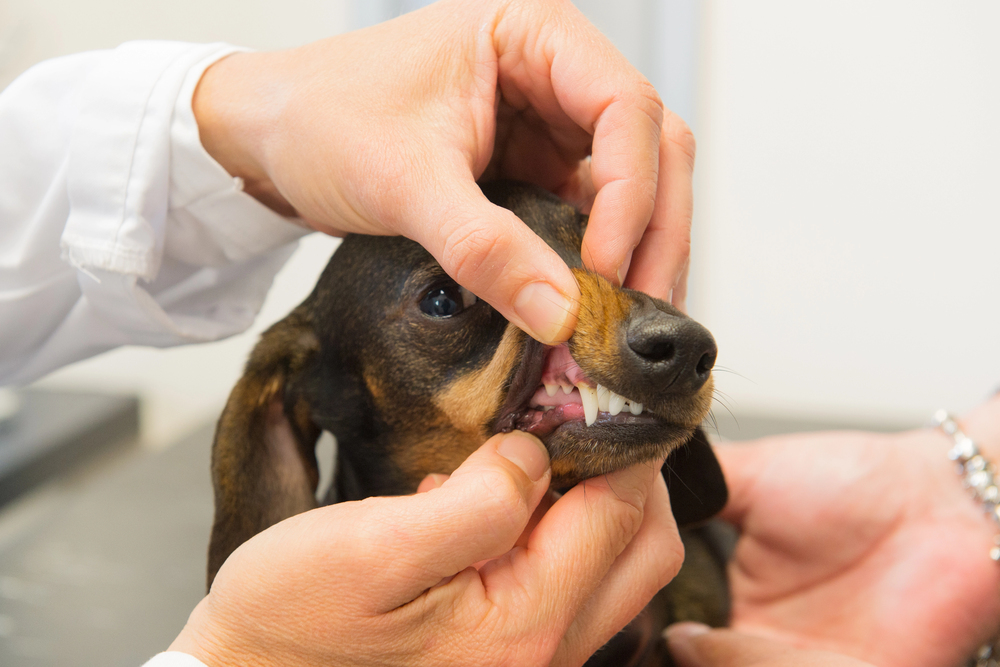
A Comprehensive Oral Health Assessment and Treatment (COHAT) is one of the most important parts of preventive care for dogs. Think of a routine dental cleaning for your dog like a “spa day” for their mouth, but with much higher stakes than just fresh breath.
Just like us, dogs get plaque and tartar buildup, but they can’t exactly grab a toothbrush and brush their own teeth. If those pearly whites get too crusty, it leads to more than just stinky breath, it can cause pain and even impact their heart or kidneys. Getting a professional cleaning keeps them feeling spunky, saves them from toothaches, and you won’t have to dodge those smelly “kisses” anymore.
What is Plaque?
Plaque is a sticky film of bacteria that forms on the teeth after eating. It can build up over time without brushing for both humans and dogs. If plaque is not removed through brushing or professional cleanings, it hardens into tartar. Tartar creates a rough surface where more bacteria can collect, especially near the gumline.
Stinky Dog Breath
We know a dog’s breath does not smell like roses, but if your pup’s yawn is clearing the room, it’s usually a cry for help from their mouth. Stinky breath is actually a sign of bacteria and tartar hanging out below the gumline. A COHAT scrubs away the gunk that a normal chew toy just can’t reach. It’s the best way to get those doggy kisses back to a tolerable level.
Dental Cleaning Prevents More Serious Issues
Dental disease is not limited to just the mouth, but is usually a gateway to other types of health conditions. Harmful bacteria from infected gums can enter the bloodstream and travel to major organs, causing illness or death. Over time, untreated oral infections may place added stress on the heart, liver, and kidneys.
SCVC advocates that routine dental care is an important part of having a pet. Maintaining clean teeth and healthy gums may reduce the risk of complications associated with chronic inflammation and bacterial spread.
Dogs Often Hide Dental Pain
Dogs are resilient animals and can hide signs of discomfort. It’s their instinct to hide pain. A dog may continue eating, playing, and acting normally while dealing with significant oral pain. Some owners assume their dog is fine because they still eat kibble or accept treats, but many dogs learn to adapt to chronic discomfort.
Signs of dental pain may include:
- Bad breath
- Drooling more than usual
- Pawing at the mouth
- Chewing on one side
- Reduced interest in hard treats or toys
- Swollen gums
- Bleeding from the mouth
- Irritability or withdrawal
Salmon Creek Veterinary Clinic does routine COHATs that allow our Veterinarians to detect problems before they become bigger issues.
What Happens During a Comprehensive Oral Health Assessment and Treatment?
Performed while your pet is under anesthesia, a COHAT includes:
- Full oral examination
- Scaling to remove plaque and tartar above and below the gumline
- Polishing the teeth to smooth surfaces
- Evaluation for loose, broken, or infected teeth
- Dental X-rays
- Recommendations for follow-up care or treatment plan
Since dogs and cats do not sit still for dental care, anesthesia is used to provide a safe and thorough cleaning. It allows the vet to get deep under the gumline safely and stress-free. Before anything starts, our vet will examine your pet, perform pre-anesthetic lab work, and chat with you about safety protocols to make sure your dog is able to undergo anesthesia for the procedure.
How Often Should Dogs Have Dental Cleanings?
Typically, dogs may need a professional cleaning once a year. Depending on breed, age, genetics, diet, and home care habits, our Veterinarians may suggest more. Small breeds are especially prone to dental crowding and tartar buildup, making them more likely to need frequent cleanings.
Chew Toys, Teeth Cleaning Treats Are Not A Solution
While dental chews and toys are great for maintenance, they’re more like “mouthwash and gum” rather than a trip to the dentist. They definitely help scrub away some of the soft plaque on the surface of the teeth, but can’t remove tartar buildup or prevent abscesses.
Chews are perfect for “between-cleanings”, but they do not replace a deep-clean by a professional veterinary clinic.
Avoid Costly Vet Bills
Most common dental problems when dogs don’t receive regular dental cleanings:
- Tooth or multiple extractions
- Treatment for infection
- Pain medication
- Organ failure
- Advanced imaging
- Emergency care visits
Routine cleanings help catch problems early when they are easier and less expensive to manage.
Home Dental Care Between Cleanings
Professional cleanings are most effective when combined with home care. Helpful ways to support dental health include:
- Brushing your dog’s teeth regularly with dog-safe toothpaste
- Offering veterinarian-approved dental chews
- Using recommended oral rinses or water additives
- Feeding dental-support diets if advised
- Scheduling routine wellness exams
Even simple habits at home can make a significant difference between cleanings.
Book A Dental Cleaning For Dogs in Vancouver
Ready to ditch the “dog breath”? At Salmon Creek Veterinary Clinic, we make the process easy and stress-free for both you and your pup. Call us today to book an appointment at (360) 574-0833.