
Cat Allergies – But You Love Cats
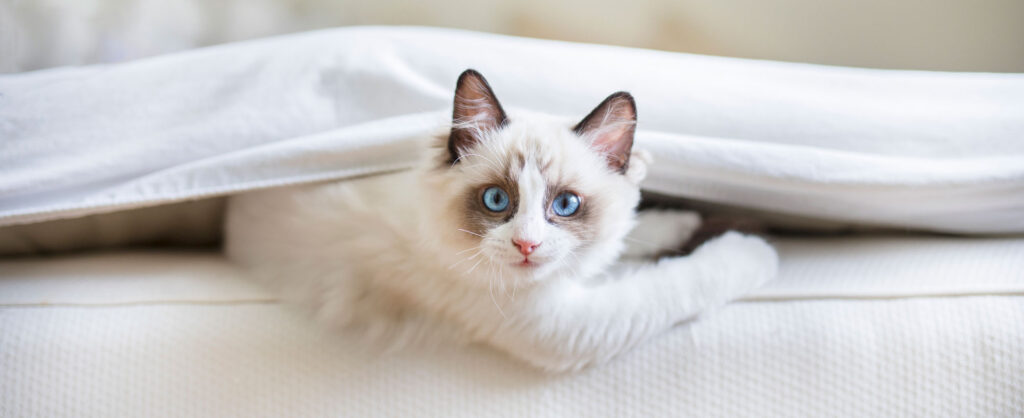
Kittens are extremely cute and so fun to play with, but what happens if you find out you’re allergic to the new cat? Discovering you’re allergic can be frustrating and emotional. The good news is that being allergic to your cat does not mean you have to give them up. With the right combination of veterinary care, home adjustments, and medical support, many people successfully manage cat allergies long term.
At Salmon Creek Vet Clinic, we regularly help families navigate this situation and find solutions that support both their health and their pet’s well-being.
Why Am I Allergic to My Cat?
Cat allergies are typically caused by a protein called Fel d 1, which is found in a cat’s saliva, skin (dander), and urine. When cats groom themselves, this protein spreads to their fur and becomes airborne, triggering allergy symptoms such as sneezing, itchy eyes, congestion, or asthma flare-ups.
Things You Can Do for Your Cat to Reduce Allergens
Regular Grooming
Brushing your cat two to three times per week can significantly reduce loose fur and dander in your home.
- Use a high-quality grooming brush
- Have a non-allergic household member do the brushing if possible
- Use pet-safe grooming wipes between brushing sessions
Bathing When Appropriate
Some cats tolerate occasional baths, which can reduce allergen buildup on the coat.
- Use veterinarian-approved cat shampoos only
- Bath frequency depends on your cat’s tolerance and coat type
- Ask your veterinarian before starting a bathing routine
Diet That Helps Reduce Allergens
Certain veterinary-recommended diets are formulated to reduce the amount of active Fel d 1 allergens cats produce.
- These diets work gradually over several weeks
- Many owners report noticeable improvement over time
- Discuss options during your cat’s wellness visit
Our team can help guide dietary changes as part of our comprehensive veterinary wellness and treatment services.
Maintain Your Cat’s Overall Health
Healthy skin and coat reduce shedding and allergen spread. Routine exams, parasite prevention, and treating skin conditions all play a role in allergen control.
Things You Can Do to Lessen Your Allergy Symptoms
Create Cat-Free Zones
Designate areas of your home—especially your bedroom—as cat-free zones.
- Keep doors closed
- Wash bedding frequently
- This gives your immune system a daily break
Improve Indoor Air Quality
- Use HEPA air purifiers in bedrooms and common areas
- Replace HVAC filters regularly
- Vacuum with a HEPA-filter vacuum cleaner
Personal Hygiene Habits
- Wash hands after petting your cat
- Avoid touching your face
- Change clothes after extended cuddling
Over-the-Counter Allergy Relief
Many cat owners manage symptoms with antihistamines, nasal sprays, or saline rinses. Always consult your primary care physician before starting new medications.
Medical Options for Long-Term Relief
Allergy Testing & Immunotherapy
If symptoms persist, an allergist may recommend allergy testing and immunotherapy (allergy shots), which help build tolerance to allergens over time. Many people see significant improvement within months.
Asthma-Safe Allergy Management
If you have asthma, managing cat allergies is especially important. Coordinating care with your doctor and reducing household allergens can greatly improve quality of life.
Other Cat-Friendly Options (Without Rehoming)
- Washable furniture covers
- Allergen-neutralizing sprays
- Consistent cleaning routines
- Ongoing collaboration between your veterinarian and physician
Many allergy sufferers find that symptoms improve over time as allergen exposure is reduced and the immune system adapts.
Talk to Your Veterinarian Before Making Big Decisions
If you’re feeling overwhelmed, you’re not alone—and you have options. A consultation with your veterinarian can help identify cat-specific solutions that protect both your health and your pet.
Families throughout the area trust our Vancouver, WA veterinary clinic for compassionate guidance and long-term care.
Schedule a wellness visit today to discuss allergy-reducing strategies for your cat.