
Understanding Feline Pain: 5 Subtle Signs Your Cat May Be Suffering
Unlike dogs, who often vocalize or seek extra attention when they are uncomfortable, cats are biologically programmed to mask signs of illness or injury. In the wild, showing weakness makes a predator vulnerable. In your home, this instinct means that feline pain is frequently “silent.”
As a responsible pet owner, recognizing these small changes in their behavior can impact your cat’s quality of life. At Salmon Creek Veterinary Clinic, we encourage awareness to ensure that chronic or acute pain is dealt with before it leads to something worse.
Here are five clinical signs that your cat may be experiencing pain.
1. Changes in Grooming and Coat Condition
A cat’s grooming habits are based on their overall well-being and happiness. If you notice your cat’s fur is greasy or matted, it may be due to a loss of mobility. Senior cats often suffer from arthritis or degenerative joint disease, making it physically painful to reach their back or hindquarters.
On the other hand, psychogenic alopecia, which is over-grooming a specific area until the skin is raw or bald. This could mean there is localized pain or dermatological allergies. Also an issue and warrants a trip to the vet.
2. The “Pain Guarding” Posture and Social Withdrawal
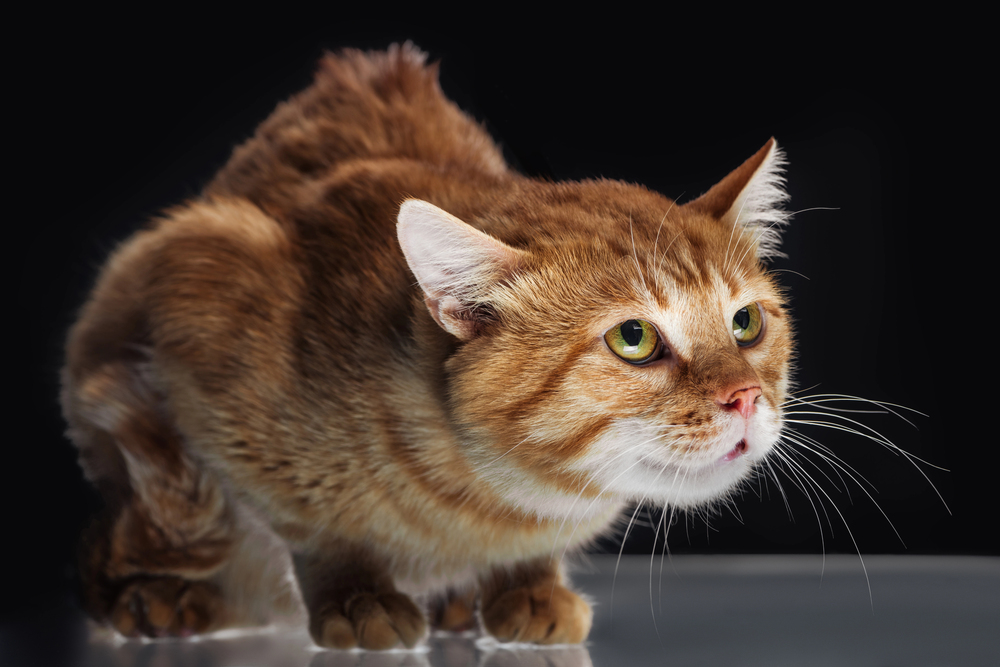
Posture can say a lot about cats that are not feeling well. A cat in pain will sometimes have a “hunched” or “guarded” stance, sitting with their back arched and head lowered, rather than curled up comfortably.
Social withdrawal is a classic sign of feline distress. If your cat has begun hiding in unusual locations, back of a closet or under furniture, they are likely attempting to self-isolate due to physical vulnerability.
3. Going Potty Outside The Litter Box
When a previously house-trained cat begins urinating or pooping outside the litter box, it is rarely a behavioral “protest.” It is often a sign of physical discomfort.
- Mobility Issues: High-sided litter boxes can be difficult for arthritic cats to enter.
- Internal Inflammation: Conditions like cystitis or urinary tract infections cause sharp pain during elimination, leading the cat to associate the litter box itself with that pain.
Note: If your cat is having a hard time urinating without success, this is a life-threatening emergency and requires immediate veterinary attention. Call us immediately.
4. Difficulty Chewing
Dental issues are one of the most common sources of chronic pain in cats. Because cats often continue to eat despite oral agony, owners may miss the signs of advanced dental disease. Watch for “messy” eating, dropping kibble, or tilted head movements while chewing. These behaviors often indicate toothaches or gingival infection, both of which require a trip to the vet.
5. Increased Irritability or Reactive Aggression
Cats can have attitude, but if you notice your cat is more moody than normal, this could be a sign of pain. Hissing, growling, or swatting when touched in specific areas is “reactive aggression”. Don’t take it personal, this is a defensive mechanism cats do to avoid a painful area.
The Importance of a Professional Clinical Evaluation
Feline pain is hard to determine, but there will be signs. A vet can do a comprehensive wellness examination and diagnostic testing if your kitty is acting a little off. At Salmon Creek Veterinary Clinic, we utilize a multi-model approach to pain management, including:
- Diagnostic Imaging: Digital X-rays to identify bone spurs, fractures, or organ enlargement.
- Laboratory Analysis: Bloodwork to screen for internal inflammation or organ dysfunction.
- Fear-Free Handling: Techniques designed to reduce stress during the exam, allowing for a more accurate assessment of the pet’s physical state.
Proactive Care for Your Feline Companion
Be proactive when it comes to your cat’s health and pain. Do not wait for your cat to scream in pain because by that stage, the issue is typically severe. If you have observed any of the changes listed above, we recommend scheduling an appointment for an exam.
Schedule an appointment at Salmon Creek Veterinary Clinic or call our Vancouver office at (360) 574-0833.